
3 Products
Collection: ESD Protection
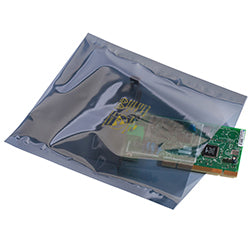
Static electricity is invisible—but the damage it causes to sensitive electronics is very real. ESD (Electrostatic Discharge) protective bags are designed to prevent static build-up and shield components during handling, storage, and shipment, especially once a part leaves the controlled environment of a production floor. The ESD Association specifically calls out shielding bags and other packaging materials as direct protection for ESD-susceptible items when shipped to customers.
Across modern supply chains, ESD packaging is showing up everywhere—not just in electronics. Market and industry sources point to growing adoption across defense/military, aerospace, automotive, and industrial manufacturing, driven by the increasing value and sensitivity of electronic assemblies and modules.
Why ESD Bags Are Becoming Standard Across Aerospace, Defense, Automotive, and Industrial
Today’s “mechanical” systems are loaded with electronics: controls, sensors, power electronics, chips, and embedded computing. That means more products are ESD-sensitive, and more shipments require ESD protection:
- Aerospace & Defense: high-value assemblies, strict traceability, long storage cycles
- Automotive & EV: increasing electronics content and reliability requirements (EV and ADAS)
- Industrial: controls, automation, drives, instrumentation, and field service spares
- Medical / Lab / Pharma equipment: sensitive boards and modules that must arrive functional
What to Look For in an ESD Protective Packaging
Not all “anti-static” bags are the same. The right choice depends on the risk, handling environment, and the sensitivity of the item:
Shielding vs. Dissipative vs. Conductive
-
Static shielding bags: help protect against external electrostatic fields and discharges (often the go-to for shipping PCBs and assemblies).
-
Dissipative / anti-static bags: reduce triboelectric charging and help bleed off charge; typically used for lower-risk handling scenarios
-
Conductive packaging: used where rapid charge equalization is needed (often with careful grounding/handling requirements)
Standards that matter
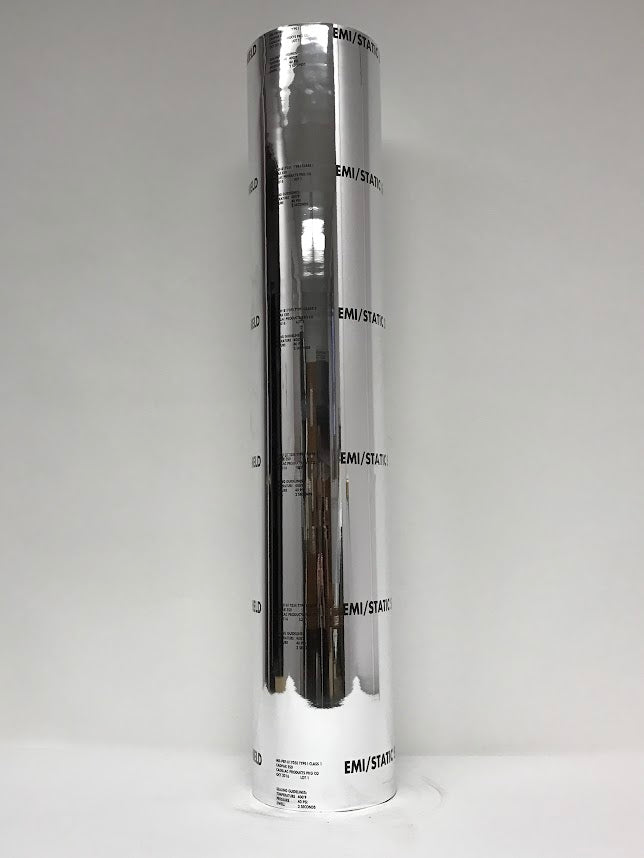
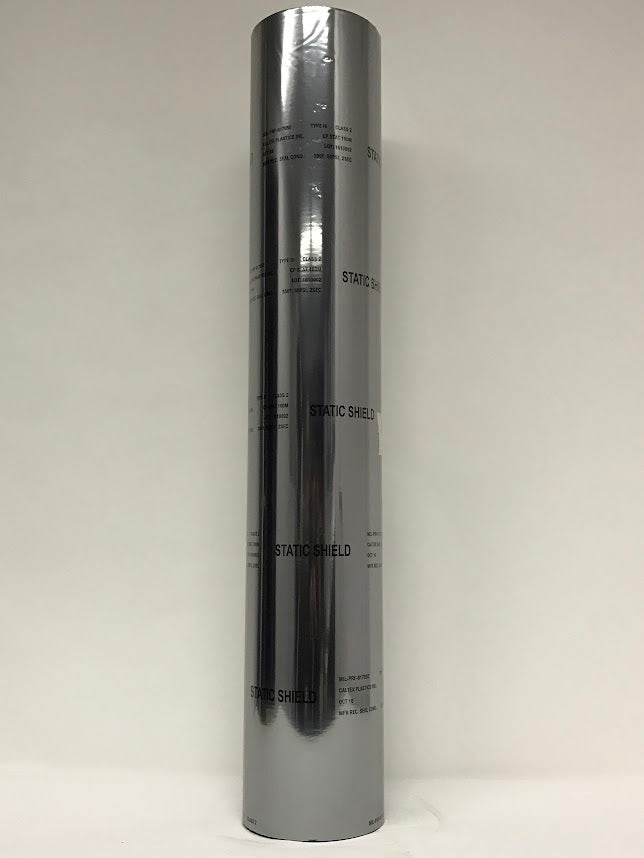
If you’re shipping ESD sensitive items, align packaging with your ESD control program. The ESD Association describes ANSI/ESD S541 as defining packaging properties and limits to protect ESD susceptible items through production, transport, and storage—and ties it to program requirements in ANSI/ESD S20.20. If you are a military contractor or end user, the MIL-PRF-81705 specification guides the acceptable materials that can be used in packaging.
Why Choose Royco Packaging
When you’re packaging mission-critical components, sourcing from unknown or offshore manufacturers can introduce real risk: inconsistent performance, unclear traceability, and documentation gaps that slow receiving and inspection.
Royco Packaging is the safer choice because we focus on what high-reliability teams care about:
-
Documented compliance & traceability (with the certifications your customers and inspectors expect)
-
Consistent, repeatable quality aligned with ESD program requirements.
-
Faster lead times from stocked inventory and domestic manufacturing and supply chain.
-
Expert guidance—so you don’t overbuy, under-spec, or risk using the wrong bag type for your application
If you’re shipping to defense, aerospace, or OEM programs, those points aren’t “nice to have”—they’re what keeps projects moving.
Talk to a Packaging Specialist
Need help selecting the right ESD bag type, size, or spec callout for your program? Royco Packaging's certified specialists can recommend the right configuration based on your product and shipment requirements.
Royco Packaging — Mission Critical Protection. Made in the USA.
Contact a Packaging Specialist
Our experienced packaging specialists are available to assist with your project, provide recommendations, or help place an order.
Call 1-800-67-ROYCO or email our team at sales@roycopackaging.com